
Shopping Cart

Learn how to choose handcrafted solid wood cabinets and sideboards that balance architectural proportion, joinery integrity, and timeless styling across modern and traditional homes.
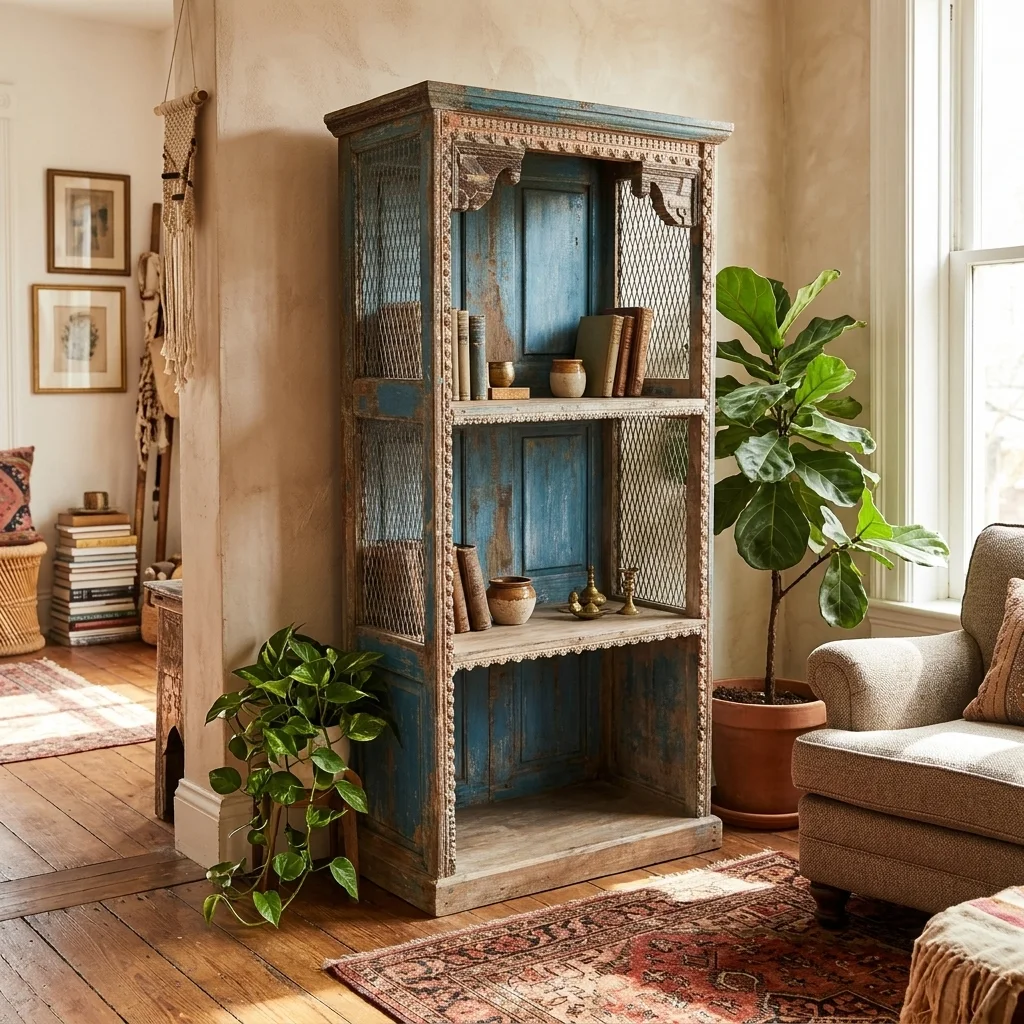
In an era dominated by flat-pack composite boards and synthetic veneers, handcrafted solid wood cabinets and sideboards serve as grounding anchors in residential interiors. A storage unit is rarely just functional infrastructure; whether serving as a dining room credenza, an entryway statement, or a living room focal point, it occupies substantial physical and visual volume. When crafted by hand from seasoned timber, a cabinet introduces organic warmth, subtle surface variations, and tactile authenticity that industrial mass production cannot replicate.
Selecting the right piece requires balancing pragmatic spatial considerations with an appreciation for master woodcraft. A cabinet must comfortably house tableware, linens, or curio collections while harmonizing with your home's broader architectural envelope. Whether your design language leans toward the crisp minimalism of contemporary Scandinavian design, the lived-in layering of Belgian farmhouse aesthetics, or the formal balance of classic Georgian architecture, solid wood pieces crafted in historic artisan hubs like Jodhpur offer structural integrity and irreplaceable character.
Before evaluating timbers or decorative finishes, accurate spatial planning is essential. Scale determines whether a credenza commands quiet authority or overwhelms a room.
A well-proportioned sideboard or cabinet should never impede the daily choreography of a room. Keep these critical spatial benchmarks in mind:
Not every room offers an unbroken expanse of drywall. Historic homes, urban brownstones, and open-concept apartments often present awkward nooks, alcoves, and structural interruptions. In tight dining corners or compact parlor rooms, incorporating a specialized piece like the Glass Display Corner Cabinet activates underutilized square footage without obstructing sightlines. Its angled footprint nestles into corner boundaries while glass panels reflect ambient light back into the living area.
The true value of artisan furniture lies beneath the finish. When sourcing handcrafted solid wood cabinets, evaluating the construction techniques used by master woodworkers ensures your investment will endure for generations.
Artisans in Rajasthan work primarily with dense, climate-resilient regional hardwoods:
Industrial furniture relies heavily on dowels, cam locks, and chemical glues that degrade when moved or exposed to ambient humidity shifts. In contrast, heirloom-grade wooden cabinets rely on centuries-old joinery traditions:
A common design misconception is that traditional handcrafted wooden cabinets only suit rustic or vintage-inspired interiors. In reality, the organic irregularity of artisan woodwork acts as the perfect counterbalance to modern architectural rigor.
In modern homes characterized by microcement floors, white drywall, and linear lighting, mass-produced furniture can leave spaces feeling clinical. Introducing a piece like the Rustic Display Cabinet With Glass Doors introduces soul and depth. The rich texture of aged wood grounds the room, while its clean architectural framing complements mid-century seating and contemporary canvas art. In transitional interiors, pairing a rustic wooden cabinet with marble surfaces or polished brass sconces establishes a compelling dialogue between eras.
For homes embracing classic English country styling, Spanish colonial revivals, or traditional Victorian architecture, look for refined mouldings, framed mullions, and architectural crests. The Traditional Display Cabinet exemplifies this approach, offering balanced symmetry, classic glazed door lites, and warm, hand-rubbed patinas that anchor a formal library or traditional dining room with historic gravitas.
How a cabinet balances display and concealment defines its functional role within your home:
Cabinets featuring glass inserts, such as the Handcrafted Wooden Cabinet With Glass Panels, transform practical storage into an artistic exhibition. Glazed doors protect prized collections of ceramics, antique books, or heritage glassware from dust while maintaining visual openness in smaller rooms. When styled with curated negative space, glass cabinets impart an airy, sophisticated presence.
If you prefer an aesthetic that nods to French brasseries or vintage industrial pantries, wire-gauge screens offer a compelling middle ground. The Antique Wooden Mesh Cabinet pairs solid structural timbers with tactile wire panels. This design breaks up solid wooden facades, obscures everyday pantry or media contents just enough to eliminate clutter, and promotes natural ventilation—making it an ideal dry-goods larder or linen cupboard.
Handcrafted solid wood is a living, hygroscopic material that naturally responds to moisture in its environment. When shipping heirloom pieces from warm, sub-tropical regions to North American, European, or Australian homes with central heating and air conditioning, attentive acclimatization is crucial.
To preserve structural joints and prevent checking (hairline cracks along the grain), maintain your home's relative indoor humidity between 35% and 55%. During dry winter months in cold climates, running an evaporative humidifier prevents timber from losing moisture too rapidly.
A handcrafted solid wood cabinet or sideboard is more than a storage vessel; it is an enduring piece of architectural history. By choosing genuine artisanal joinery, sustainably sourced hardwoods, and thoughtful proportions tailored to your floor plan, you bring home a functional sculpture that matures gracefully over decades. Explore ArtisansJodhpur's curated collection of hand-carved storage pieces, or connect with our design team to commission custom dimensions and finishes tailored specifically to your residential or commercial project.
Browse our handcrafted Jodhpur catalog or message our workshop for exact dimensions, finish photos, and export quotes.

